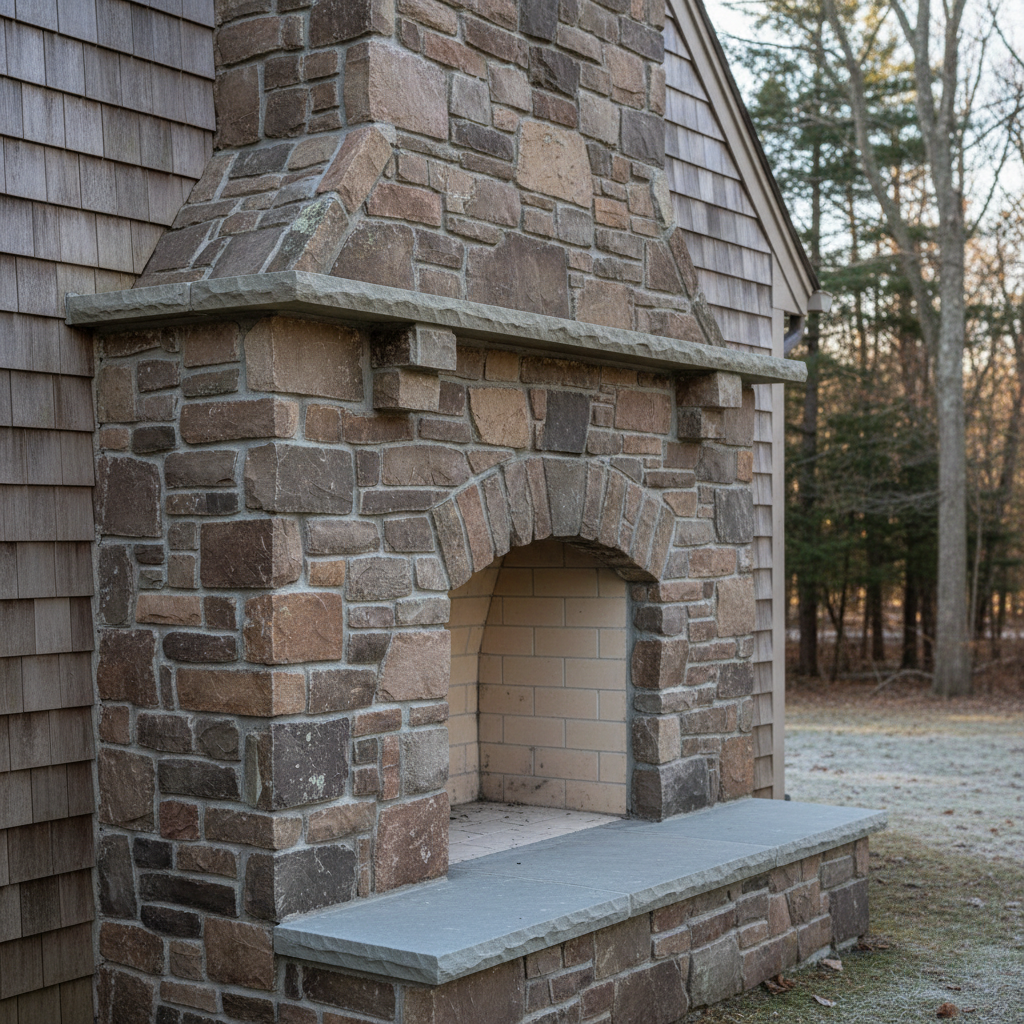
So, you're dreaming of a new fireplace? Maybe you picture a cozy spot for winter nights, or perhaps a grand statement piece for your living room. Building one, though, isn't like putting together IKEA furniture; it's a serious construction project with a lot of moving parts. As a masonry contractor right here in Lexington, I've seen plenty of these projects, and I can tell you what you need to know before you even pick up a shovel.
Before You Start: The Planning & Permit Maze
First things first, you can't just decide you want a fireplace and then start building. There are codes, and they exist for good reasons – mostly safety. You'll need to figure out if you're building a traditional masonry fireplace, a pre-fabricated metal unit, or a gas fireplace. Each type has different requirements. For a traditional masonry fireplace, you're talking about a significant structural addition, which means a foundation, a firebox, a smoke chamber, a flue, and a chimney. It's a lot, believe me.
You absolutely need a permit from the Town of Lexington Building Department. This isn't optional. They'll want to see plans, and those plans must meet Massachusetts State Building Code (780 CMR) and local zoning bylaws. Trust me, trying to sneak one in will only cause you headaches down the line, especially when you go to sell your house. You'll likely need an architect or a structural engineer to draw up those plans, particularly for a new masonry fireplace that ties into your home's structure. This isn't a DIY step; you really need a professional involved here.
Think about location too. Where do you want it? Is there enough space? What's below it? You need a solid foundation, and if you're on a slab, that's one thing. But if you're on a crawl space or basement, you'll need to make sure the existing structure can handle the immense weight. Here in Lexington, especially in some of the older homes around the Battle Green, foundations can be tricky, and you might need significant reinforcement.
During Construction: DIY vs. Pro
Okay, so you've got your permits, your plans are approved, and you're ready to build. What can you do yourself, and what absolutely needs a pro?
- Demolition (Maybe): If you're replacing an old, unsafe fireplace, you might be able to handle some of the demo yourself, carefully. But be wary of structural elements, and if there's any doubt, call a pro. You definitely don't want to compromise your home's integrity.
- Foundation (Pro): This is non-negotiable. A fireplace needs a dedicated, strong foundation that extends below the frost line (which is usually around 4 feet deep here in Massachusetts). This is a job for a skilled mason or concrete contractor. The weight is immense, and any settling will cause major structural issues.
- Framing & Support (Pro): Integrating a new fireplace into your home's existing framing takes precision and knowledge of structural loads. Unless you're a seasoned carpenter or general contractor, leave this to the experts.
- Masonry Work (Pro): Building the firebox, smoke chamber, and chimney is specialized work. It involves precise angles, specific refractory materials, and a deep understanding of how to make a fireplace draw correctly and safely. This is where All Star Masonry Inc. comes in. We've built enough of these to know exactly what we're doing. A poorly built firebox can lead to smoke backing up into your house or, worse, a chimney fire. It's not just about stacking bricks; it's about creating an efficient, safe heating appliance.
- Flue Liner Installation (Pro): Modern codes almost always require a flue liner, whether it's clay tile, metal, or cast-in-place. This is critical for safety and efficiency. Again, a job for someone who does this every day.
- Finishing Touches (DIY Potential): Once the structural and safety-critical elements are in place and inspected, you might be able to tackle some of the aesthetic finishes yourself. Things like installing a mantel, laying a hearth extension (if it's purely decorative and not part of the structural hearth), or painting surrounding walls could be DIY projects. But even here, make sure you understand clearances to combustibles.
After It's Built: Care & Maintenance
So, your beautiful new fireplace is done. Now what? You can't just light a fire and forget about it. Regular maintenance is key to keeping it safe and efficient.
- First Fire: Follow your builder's or manufacturer's instructions for the first few fires. Sometimes you need to cure the masonry slowly.
- Regular Cleaning: You'll need to clean out the ash regularly.
- Annual Inspection & Cleaning: This is a big one. Even if you don't use it much, creosote can build up, and animals can build nests. Hire a certified chimney sweep to inspect and clean your chimney annually. They'll check for cracks, blockages, and any other issues that could become dangerous.
- Use Proper Fuel: Only burn seasoned, dry firewood. Green wood creates more creosote and doesn't burn efficiently.
- Clearances: Always be mindful of clearances to combustibles around your fireplace and hearth. Don't put rugs or furniture too close.
A fireplace is a wonderful addition to any home, offering warmth, ambiance, and even a bit of character. But it's a complex system that demands respect and professional expertise for its construction and ongoing safety. Don't cut corners on the parts that keep your family safe.