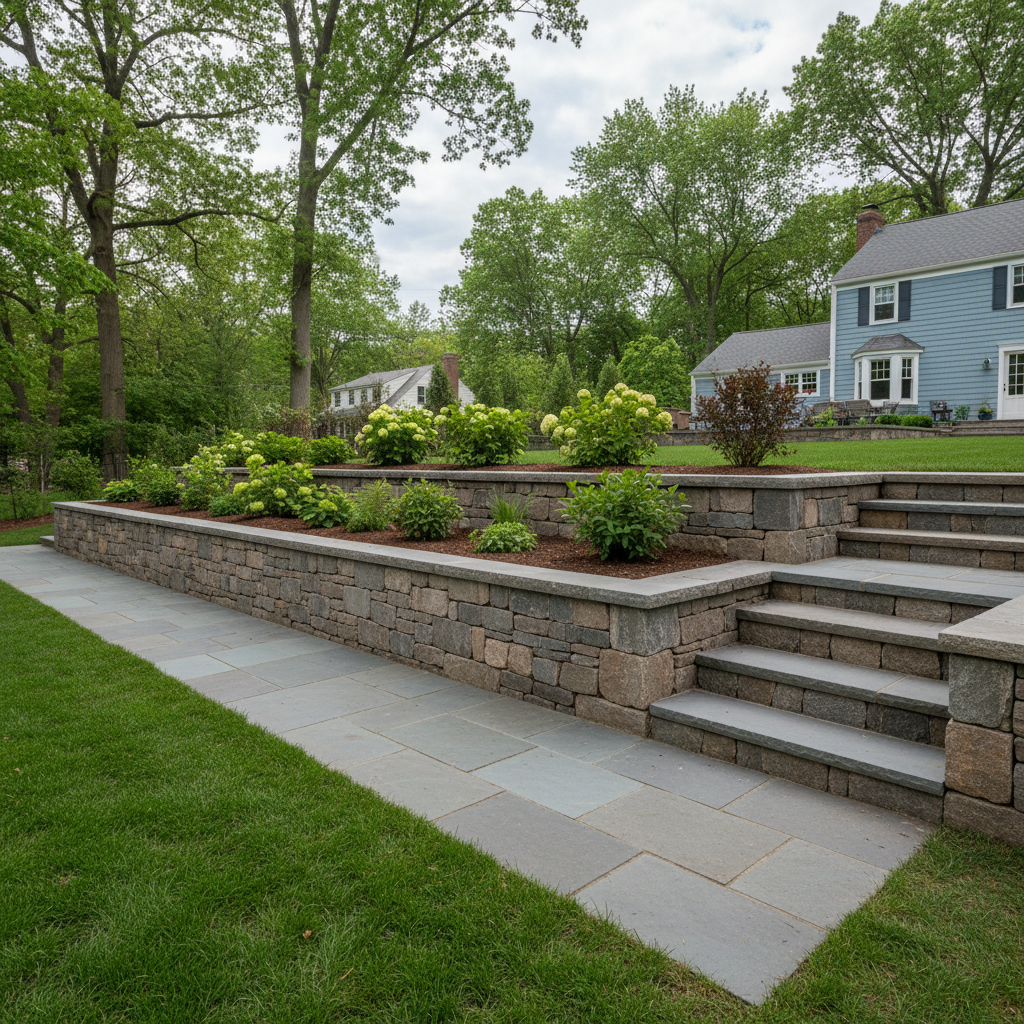
So, you're thinking about putting in a retaining wall. Maybe your yard slopes in a way that makes mowing a real chore, or you're seeing some erosion around your foundation, especially after a tough Lexington winter with all that freeze-thaw we get. Whatever the reason, a well-built retaining wall can really change things for your property. But before you jump in, you'll need a plan. Let's talk about what that looks like.
Setting the Timeline: What to Expect
People often don't realize how long a retaining wall project can actually take, from that first thought to the last stone. It's not just about the building itself, you know? Here's a rough breakdown of the timeline you should be thinking about:
- Initial Research & Contractor Vetting (2-4 weeks): Hey, you're doing this part right now! Good for you. You'll need to find a few reputable masons, check their references, and look at their past work.
- Consultations & Estimates (2-4 weeks): Once you've got a shortlist, you'll set up on-site visits. This is where a good contractor will come out, check your property, talk through options, and give you a detailed estimate. Don't rush this step.
- Permitting (4-12 weeks, or even more): This is often the biggest wild card. Depending on how tall your wall will be and where it sits, you'll probably need a permit from the Town of Lexington. This can involve surveys, engineering plans, and a review by the building department. If your wall is over four feet tall, or close to property lines, it's almost a sure thing. Get this started early!
- Material Ordering & Delivery (2-6 weeks): Once the plans are approved and you've got your permits, it's time to order materials. Specialized stone or block can have long lead times, especially if you're looking for something specific.
- Construction (1-4 weeks): This is the actual build time. It really varies depending on the wall's size, how complex it is, and, of course, the weather. We can't pour concrete in a blizzard, for example.
So, from start to finish, you're usually looking at anywhere from three to six months. Sometimes even longer for really complex projects. Don't plan on having a new wall built in just a month, because with proper planning and permitting, it simply doesn't happen that way.
What Happens During the Project?
Once we've got a signed contract and all the necessary permits, here's a general idea of the steps involved:
- Site Preparation: We'll mark out the area, clear any vegetation, and make sure the site is ready for digging. This might mean protecting existing landscaping or nearby structures.
- Excavation: This is where we dig the trench for the wall's foundation. The depth and width depend on the wall's design and what the soil is like. We've got some tricky soils around Lexington, especially in areas like the Battle Road Farm neighborhood with its clay content, so good drainage and foundation work are crucial.
- Foundation Installation: A solid foundation is absolutely key. This usually means a compacted gravel base, and often a concrete footing for taller or more critical walls.
- Drainage System: For most retaining walls, a drainage system (like a perforated pipe behind the wall, surrounded by gravel) is essential. It stops water pressure from building up, which can cause the wall to fail over time.
- Wall Construction: This is the part you'll see taking shape – laying the blocks, stones, or pouring concrete according to the approved plans. We'll be constantly checking for level and plumb.
- Backfilling & Compaction: As the wall goes up, we'll backfill behind it with the right material, compacting it in layers to ensure everything stays stable.
- Finishing Touches: This includes any caps, coping, or decorative elements, plus the final grading around the wall.
- Site Cleanup: We'll make sure to leave your property tidy, taking away all debris and equipment.
How to Prepare Your Property (and Yourself)
You've got a role to play too! Here's how you can help make the whole process smoother:
- Clear the Area: Before we even start, clear out any plants, garden ornaments, or anything else right where the wall will go. This saves time and helps prevent damage.
- Access: Make sure there's clear access for equipment and material deliveries. We'll need space for a mini-excavator, dump truck, and pallets of material.
- Utilities: Know where your underground utilities are. Call Dig Safe (811) before any digging starts. We'll do this too, but it's good for you to be aware.
- Neighbors: If the wall is going to be close to a property line, talk to your neighbors early on. Good communication can really prevent headaches later.
- Manage Expectations: Construction is messy. There will be noise, dust, and equipment. Understand that things might not look great for a bit, but the end result will be worth it.
Questions to Ask Before You Sign That Contract
This is where you protect yourself and make sure you're getting a quality job. Don't be shy about asking these questions:
- What's included in the estimate? Get a detailed breakdown. Does it cover excavation, materials, labor, drainage, backfill, and cleanup? What about permit fees or engineering costs?
- What kind of warranty do you offer on your work? A reputable contractor, like All Star Masonry Inc, will stand behind their work. Ask about material warranties too.
- How do you handle changes or unforeseen issues? Sometimes we hit unexpected rock or old foundations. How will that affect the timeline and cost? Get it in writing.
- Can I see proof of insurance and licensing? Make sure they're properly insured (liability and workers' comp) and licensed to work in Massachusetts.
- Who will be supervising the project? You want to know who your main point of contact will be and that an experienced person is overseeing the work.
- What's your payment schedule? A fair payment schedule usually involves an initial deposit, progress payments, and a final payment once everything's done to your satisfaction. Be wary of anyone asking for a huge upfront payment.
- How do you manage site safety and cleanup? You want a contractor who puts safety first and keeps the site as clean as possible during the project.
- Do you provide references? And actually call them! Ask about their experience, communication, and if the project stayed on budget and schedule.
Building a retaining wall is a big investment in your home. Taking the time to plan properly, understand the process, and ask the right questions will help ensure you get a durable, beautiful wall that adds value and function to your Lexington property for years to come.