Block walls are everywhere, even if you don't always notice them. You've got them in your basement, holding back earth in your yard, or forming the sturdy backbone of a new addition. Here in Lexington, I've seen all sorts of block wall projects over the years, and there's a reason they're such a popular choice for durability and strength.
Why Block Walls Make Sense Here
When we talk about block walls, we're usually talking about concrete masonry units, or CMUs. These aren't just for big commercial buildings; they're incredibly versatile for residential work too. For foundations, they're a cost-effective and reliable option. For retaining walls, especially on properties with slopes, they're often the best way to manage water runoff and prevent erosion. And for detached garages or workshops, they provide a fire-resistant, robust structure that'll stand up to our New England weather for decades.
One big advantage of CMUs is their inherent strength. They're manufactured to precise standards, and when laid correctly with proper mortar and reinforcement, they create a wall that can handle significant loads. This is crucial for foundations supporting multi-story homes or for retaining walls holding back tons of soil.
Common Block Wall Projects in Lexington
Around Lexington, I see a few recurring needs for block wall construction. First off, basement foundations. Many of the older homes, especially in areas like the Meriam Hill neighborhood, might have fieldstone or poured concrete foundations that are showing their age. When it's time for an addition or a major renovation, CMU foundations are often the go-to for their stability and ease of construction. They also provide a great base for finishing out a basement later on, offering a clean, straight surface.
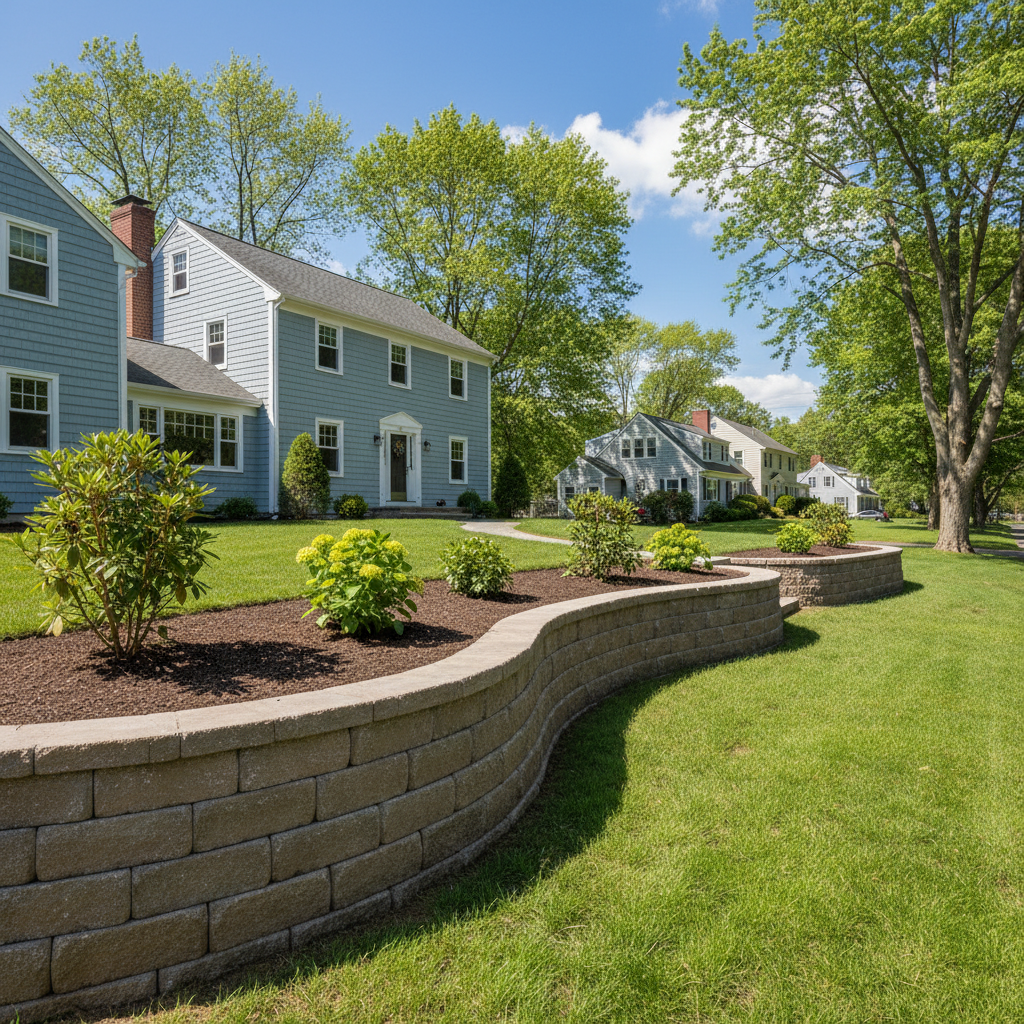
Retaining walls are another huge one. We've got plenty of properties with varying grades, and managing slopes is key. Whether it's a small garden wall or a substantial terraced system to create usable yard space, CMU retaining walls are a workhorse. We often reinforce these with rebar and fill the cores with concrete to make them even stronger, especially when they're holding back a lot of soil or dealing with hydrostatic pressure.
Then there are garages and utility buildings. A block garage is just plain solid. It's fire-resistant, pest-resistant, and provides excellent insulation when properly constructed. Homeowners often opt for block for these structures because they want something that's going to last as long as the house itself.
Lexington's Unique Challenges and Why Local Expertise Matters
You might think a block wall is a block wall, no matter where you build it. But that's not quite true, especially here in Lexington. Our local conditions definitely play a role. For starters, we deal with a pretty significant freeze-thaw cycle every winter. This means any exterior masonry needs to be built to withstand repeated expansion and contraction without cracking or spalling. Proper footings, drainage, and mortar selection are absolutely critical.
Soil conditions are another factor. We've got a mix of soils, from sandy loams to heavier clays. If you're building a foundation or a retaining wall, understanding the bearing capacity of the soil and how it drains is paramount. You can't just dig a trench and start laying block; you need to ensure your footings are on stable, undisturbed soil, and that you've got adequate drainage to prevent water buildup behind retaining walls, which can lead to failure.
Permitting and local codes are also a big deal. The Town of Lexington has specific requirements for foundations, retaining walls, and other structures. You can't just wing it. A good local contractor, like us at All Star Masonry Inc, knows these codes inside and out. We know what the inspectors are looking for, which saves you headaches and ensures your project is up to snuff and safe.
We also understand the aesthetics of the area. While block walls are often utilitarian, they can be faced with stone veneer, stucco, or brick to blend beautifully with existing architecture. Knowing what looks right in a historic town like Lexington, and what materials hold up best in our climate, comes from years of experience working right here.
It's All About the Foundation
Ultimately, whether it's a foundation for your home or a wall for your yard, a block wall is a foundational element. You can't cut corners. The structural integrity of your entire project depends on it being done right the first time. That means proper excavation, correctly sized and reinforced footings, careful block laying, appropriate mortar, and diligent attention to drainage and waterproofing.
When you're planning a project that involves block work, don't just look for the cheapest bid. Look for a contractor with a proven track record in Lexington, someone who understands the local nuances and has the experience to build something that will last. It's an investment, and you want that investment to pay off for many years to come.