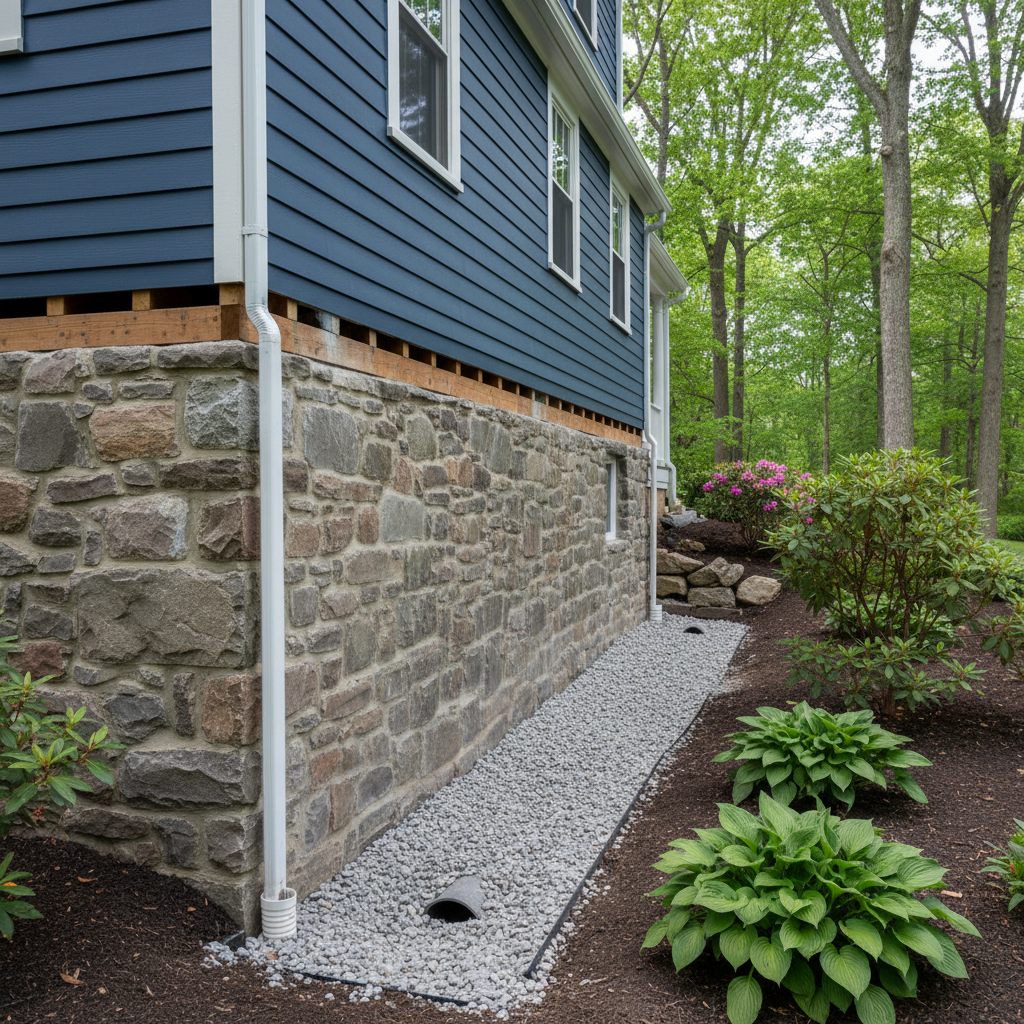
So, you've waterproofed your masonry – maybe it's your foundation, a brick wall, or even your chimney. Smart move. It's truly one of the best ways to protect your home from the damp, freezing, and thawing cycles we constantly deal with here in Lexington. But just because it's waterproofed doesn't mean you can just forget about it. Think of it like changing the oil in your car; a little regular attention goes a long way to extending its life and preventing bigger, much more expensive problems down the road.
Extend the Life of Your Masonry Waterproofing
The whole reason you waterproof anything is to keep water out of your masonry. Water is the enemy, especially when it freezes. Here in Massachusetts, we get plenty of that freeze-thaw action, which can really wreak havoc if water gets into cracks. The single biggest thing you can do to extend your waterproofing's life is to keep water away from the masonry in the first place.
- Gutters and Downspouts: This is huge. Seriously. Make sure your gutters are clean and draining properly. Your downspouts should extend at least five feet away from your foundation. I can't tell you how many times I've seen a perfectly good waterproofing job undermined because a downspout was dumping water right at the base of a wall. That water just sits there, saturating the ground, and eventually, it'll find a way in.
- Proper Grading: Your yard should always slope away from your house. If it slopes towards it, even a little, you're basically creating a swimming pool for your foundation every time it rains or snow melts. Sometimes, you might need to bring in some soil to build up the grade a bit.
- Landscaping: Keep plants and shrubs a little distance from your masonry. Roots can be surprisingly strong and can compromise a waterproof barrier over time. Plus, dense foliage holds moisture against the wall, which is absolutely not what you want.
Regular Maintenance: What You Should Be Doing
You don't need to be a masonry expert to do basic checks. A few times a year, especially after heavy rain or snowmelt, take a walk around your house. It's really that simple, honestly.
- Visual Inspection: Look at all your masonry surfaces. Are there any new cracks? Is the sealant around windows or doors still intact? Do you see any flaking or crumbling? Pay close attention to the base of your foundation and around any openings.
- Check for Efflorescence: That white, powdery stuff on brick or stone? That's efflorescence, and it's a sign that water is getting into your masonry, bringing salts to the surface as it evaporates. It means your waterproofing might be compromised, or water is finding another path.
- Test Your Sealants: If you've got clear sealants on your brick or stone, you can sometimes test them. Spray a little water on the surface. If it beads up, the sealant is probably still doing its job. If it soaks in, it might be time to reapply. This usually needs to be done every few years, depending on the product and how much exposure it gets.
- Clean Surfaces: Keep your masonry clean. Moss, algae, and dirt can hold moisture against the surface and, over time, degrade sealants or even the masonry itself. A soft brush and plain water are usually enough. Avoid high-pressure washers unless you really know what you're doing, as they can damage mortar joints or drive water deeper into the masonry.
Warning Signs of Problems
Your house will tell you when something's wrong; you just need to know what to listen for. These signs mean your waterproofing might be failing or wasn't done right in the first place:
- Damp Spots or Stains Indoors: This is the most obvious one. If you see water stains, dampness, or even mold growth on your basement walls or interior masonry, you've got a problem. Don't ignore it.
- Musty Odors: A persistent musty smell in your basement or crawl space often indicates excessive moisture and potential mold growth, even if you don't see standing water.
- Cracks in Masonry: While some hairline cracks are normal, new or expanding cracks, especially step cracks in mortar joints, can be entry points for water.
- Spalling or Flaking: If your brick or stone is flaking, crumbling, or popping off in layers (that's called spalling), it's a clear sign that water is getting in, freezing, and expanding, causing damage. This is particularly common on older homes in Lexington with their original brick foundations, which weren't always built with modern waterproofing in mind.
- Discolored Mortar: Dark, wet-looking mortar joints, especially after rain, can indicate that the mortar is absorbing too much water.
When to Call a Professional
Look, I'm a big believer in DIY when it makes sense, but some things are best left to the pros. If you see any of the warning signs I just mentioned, or if you're not comfortable tackling a repair yourself, it's time to call someone like us at All Star Masonry Inc. Don't wait until a small leak turns into a flooded basement or structural damage. Early detection and repair can save you a lot of headache and money.
You should definitely call a professional if you notice:
- Significant cracking or structural issues.
- Persistent leaks or flooding in your basement.
- Extensive efflorescence that keeps coming back.
- Widespread spalling or deterioration of your masonry.
- If you're just plain unsure about the cause of a problem or the best way to fix it.
We deal with this stuff every day. We can properly diagnose the issue, whether it's a failed sealant, a compromised membrane, or a bigger drainage problem, and recommend the right solution. Protecting your home from water is one of the smartest investments you can make, and keeping that protection in top shape is just common sense.