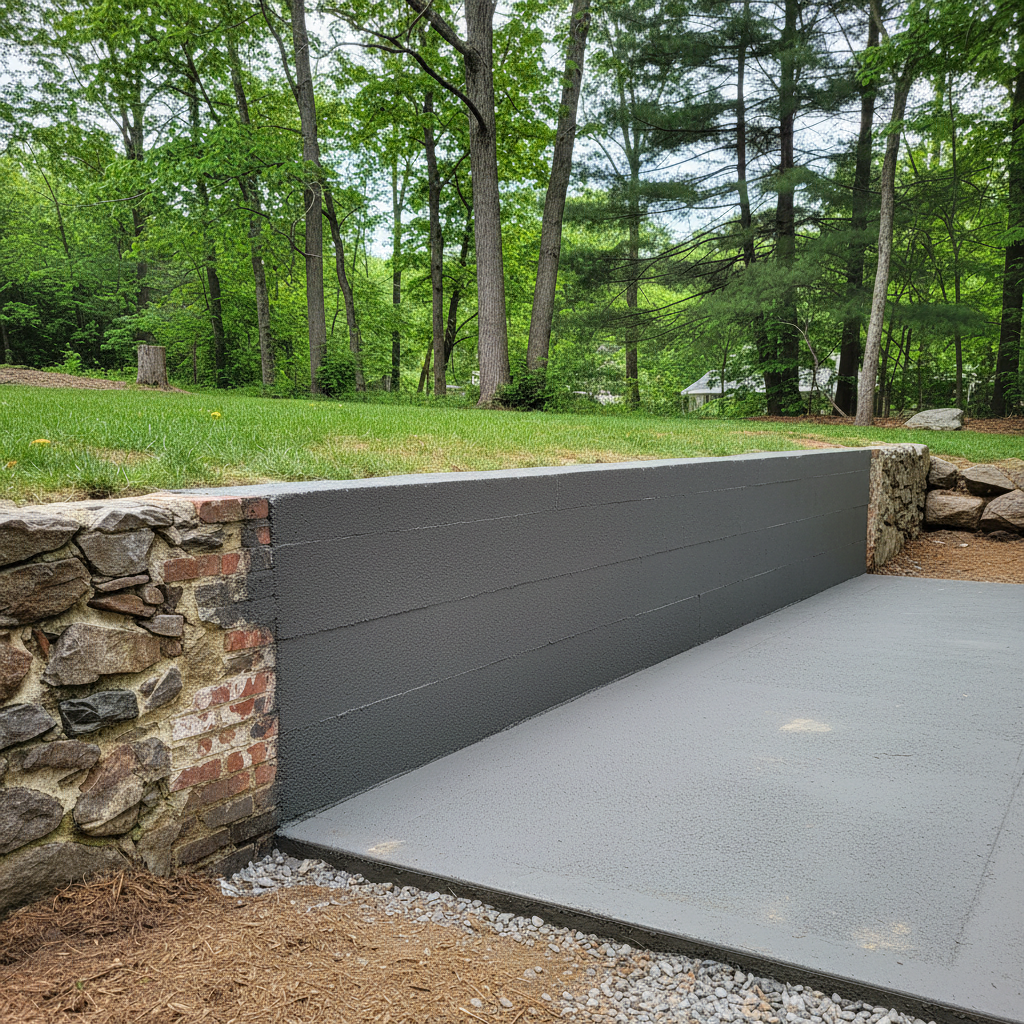
Got water problems around your foundation or seeping through your brickwork? You're not alone. Here in Lexington, especially with our freeze-thaw cycles and those heavy spring rains we get, water is a masonry's worst enemy. It finds every little crack, every porous spot, and just keeps working at it. Eventually, that leads to bigger issues than just a damp basement – we're talking structural damage, mold, and expensive repairs.
So, let's talk about masonry waterproofing. It's not always a huge, complicated job, but it's always important. Knowing what you can tackle yourself and when it's time to bring in someone like us at All Star Masonry Inc can save you a lot of headaches and money down the road.
Before You Start: Inspection and Planning
First thing's first: you gotta figure out where the water's coming from and what kind of shape your masonry is in. Don't just slap a sealer on and hope for the best. That's like putting a band-aid on a broken leg.
- Walk Around Your House: Look for obvious cracks in your foundation, crumbling mortar joints, or areas where brick seems to be flaking (that's called spalling). Pay close attention after a heavy rain. Where does the water pool? Is it running right up against your foundation?
- Check Your Gutters and Downspouts: This is a big one, and it's often overlooked. If your gutters are clogged, or your downspouts are dumping water right next to your house, you're asking for trouble. Extend those downspouts at least six feet away from the foundation. Seriously, do it. It's a simple fix that prevents a ton of problems.
- Look at Your Grading: Does the ground around your house slope away from the foundation, or towards it? You want it sloping away, always. If it's not, you're directing water right where you don't want it. This might be a bigger job, but it's crucial.
- Identify the Problem: Is it surface water pooling? Is it groundwater pressure? Is it just old, porous brick letting moisture through? The solution depends on the problem.
For minor issues like small cracks or slightly porous surfaces, you might be able to handle it yourself. But if you're seeing widespread cracking, significant spalling, or constant water intrusion, that's when you need to start thinking about calling a pro.
DIY Waterproofing: What You Can Do
Okay, so you've done your inspection and found some manageable issues. Here's what you can realistically do yourself to protect your masonry.
- Clean the Surface: Before you apply any sealer, the masonry has to be clean. Use a stiff brush and a mild detergent solution to scrub off dirt, efflorescence (those white powdery deposits), and any loose material. A pressure washer can work wonders here, but be careful not to damage old mortar joints. Let it dry completely – usually 24-48 hours depending on the weather.
- Repair Minor Cracks: For hairline cracks, a good quality masonry caulk or sealant can do the trick. Make sure it's designed for exterior use and is paintable if you need it to blend in. For slightly larger cracks, you might need a patching compound. Follow the manufacturer's instructions carefully. Don't try to fix anything wider than a quarter-inch yourself; that's pro territory.
- Apply a Water Repellent/Sealer: This is where you actually waterproof. There are two main types: penetrating sealers and film-forming sealers. Penetrating sealers soak into the masonry and create a barrier without changing the look. Film-forming sealers create a coating on the surface, which might give a glossy look and can sometimes peel over time. For most residential applications, especially on brick or concrete foundations, a good penetrating silane or siloxane-based sealer is what you want.
Read the instructions on the product carefully. Apply it evenly with a sprayer, roller, or brush. Often, two coats are better than one, applied wet-on-wet or after the first coat has dried for a specified time. Make sure you're working on a dry, mild day, not too hot, not too cold. And always wear appropriate safety gear – gloves, eye protection, and a respirator if recommended.
When to Call a Pro (Like Us)
There are definitely times when DIY just won't cut it, and trying to fix it yourself could make things worse or just waste your money. Here are the big red flags:
- Major Cracks or Foundation Issues: If you've got cracks that are wider than a quarter-inch, stair-step cracks in brick, or any signs of foundation movement, stop what you're doing and call a structural engineer or a reputable masonry contractor. This isn't just about keeping water out; it's about your home's stability.
- Persistent Basement Leaks: If you're constantly bailing out your basement or seeing significant water intrusion through concrete block or poured concrete walls, you likely have hydrostatic pressure problems. This often requires exterior excavation, drain tile installation, or interior drainage systems. That's a big job and definitely not for the weekend warrior.
- Extensive Mortar Deterioration: If your mortar joints are crumbling all over the place, you're looking at repointing. While you can do small sections yourself, extensive repointing requires skill and the right mortar mix to match your existing masonry. Get it wrong, and you can cause more damage.
- Spalling Brick: If your bricks are flaking or crumbling, it usually means water is getting in and freezing, then expanding, which pushes off the face of the brick. This often points to a deeper issue with water management or the quality of the brick itself. Just sealing over spalling brick won't fix the underlying problem.
- Historic Homes: Many homes in Lexington, especially in areas like the Battle Green district, have older, softer brick and lime mortar. These materials need specific types of sealers and repair methods. Using modern, hard cement-based products can actually damage historic masonry. If you've got an older home, always consult with someone who understands historic masonry.
We've seen it all here at All Star Masonry Inc, from minor seepage to full-blown basement floods. Sometimes, a simple application of a penetrating sealer is all you need. Other times, it's a much more involved process of excavation, drainage, and structural repair. The key is to accurately diagnose the problem first. Don't hesitate to reach out if you're unsure. Getting a professional opinion can save you a lot of grief and money in the long run, ensuring your home stays dry and sound for years to come.
After the Project: Maintenance is Key
Whether you did it yourself or hired a pro, waterproofing isn't a one-and-done deal forever. You've got to keep an eye on things.
- Regular Inspections: Make it a habit to walk around your house a couple of times a year, especially after heavy storms or during the spring thaw. Look for new cracks, signs of water pooling, or any changes in your masonry.
- Keep Gutters Clean: I'll say it again because it's that important. Clean your gutters! Twice a year, at least.
- Maintain Grading: Make sure that soil around your foundation stays sloped away. Erosion can change that over time.
- Reapply Sealers: Most masonry sealers aren't permanent. They typically last anywhere from 5 to 15 years, depending on the product and exposure. Keep track of when you last applied it and plan for reapplication.
Taking a proactive approach to masonry waterproofing is one of the best ways to protect your investment in your Lexington home. It's about being vigilant and knowing when to roll up your sleeves and when to pick up the phone.